
School of
Engineering & Applied Science
The SEAS Mission: Producing broadly-educated and capable engineers and computer scientists ready to contribute innovative solutions for a better world.
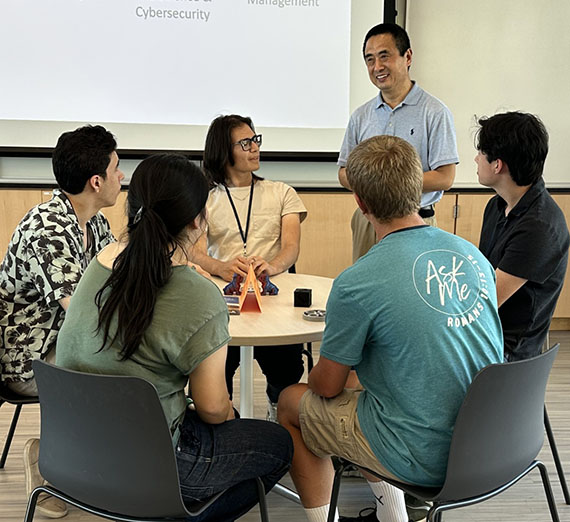
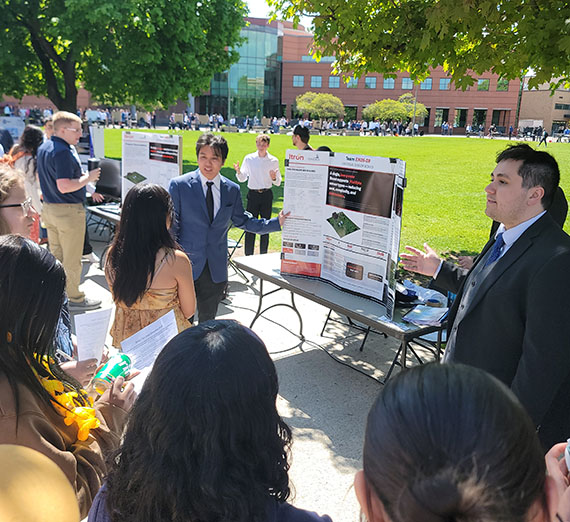
Senior Design Expo '26
Amazing day of projects, presentations and perseverance. Congratulations seniors! See the gallery of projects here.
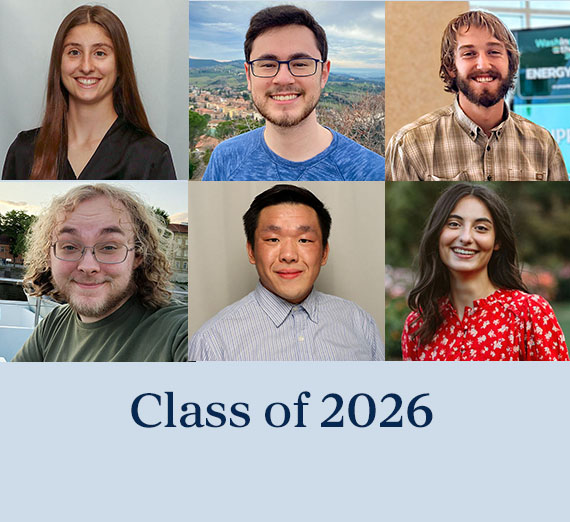
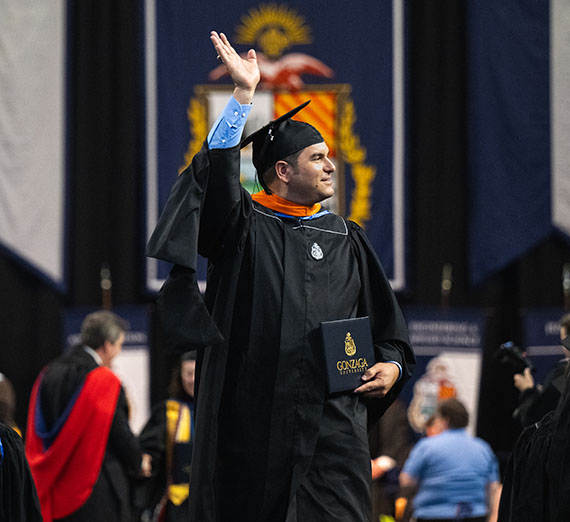
2026 SEAS Award-Winning Graduates
Celebrating the engineering and computer science graduates with academic awards

Tour Our Hands-On Learning Labs!
Recent Highlights from SEAS
Recent Stories
In The News: Gonzaga Students Get Busy Replicating Beaver Ha...
Gonzaga civil engineering professor Sue Niezgoda and her students are restoring Inland Northwest wat...
Engineering Professor Khare Receives NSF CAREER Award
Gonzaga University Associate Professor of Mechanical Engineering Harman Khare has been honored with...