Delft '26 Day 5: Water Works and Green Village
This story is one of a series written by students in the Gonzaga in Delft program, a course from the Civil Engineering department exploring sustainable practices of the Netherlands.
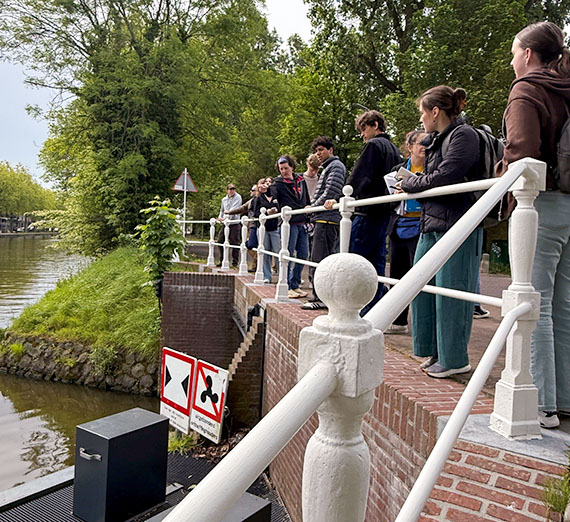
The morning began with a walking tour around the Delft of water-management history and implemented solutions in the city center.
Along with many other Dutch cities near the water, Delft is below sea level, leaving it susceptible to flooding and infrastructure damage. The water level in the city is maintained at a consistent level, requiring different types of solutions that work together and consider soil type, elevation, water quality, demand, location, and more.
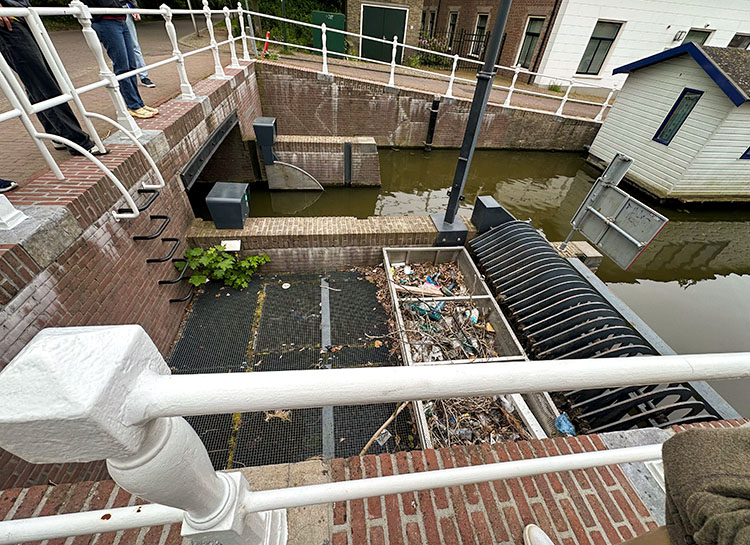
Weirs and pumps in the city have been strategically placed following hydraulic modeling to ensure adequate performance when needed most, and not have the ability to function both remotely and automatically, but have also been designed to blend in (and even support) their surrounding environment. For example, the pump shown in the bridge abutment below provides additional structural support to the bridge above.
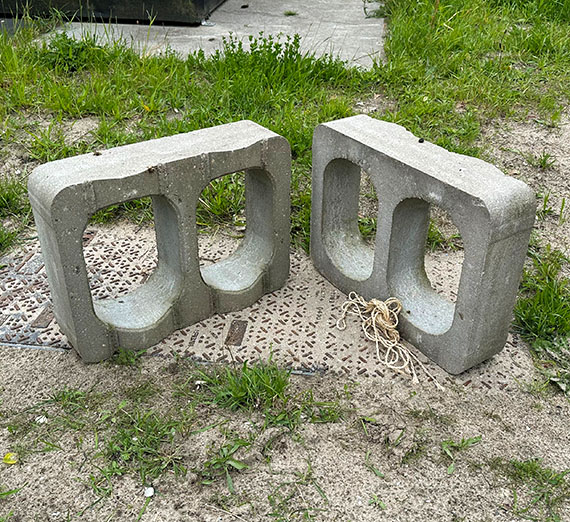
A quick bike ride away, the Delft University of Technology houses the Green Village, a field lab for students’ innovations. The village’s themes include sustainable building and renovation, future energy systems, and a climate-adaptive city. Some notable innovations include, but are not limited to, groundwater-level monitoring technology, water management strategies, and sustainable material solutions.