Story Slam Holds On To Humanity
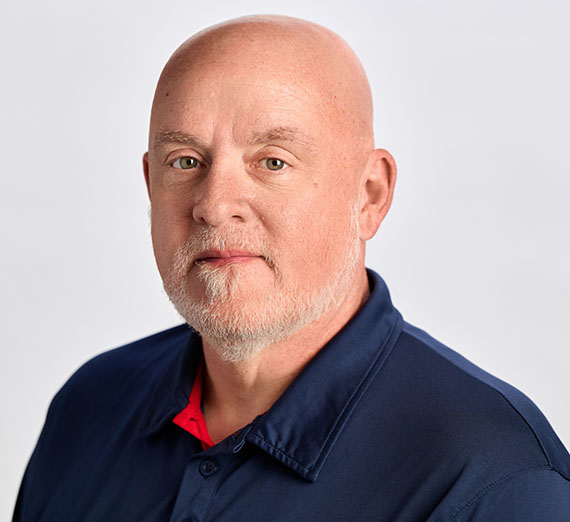
Storytelling is as important as ever. At least, that’s how Gonzaga’s Story Slam leadership team feels. Guided by Josh Armstrong, a professor in the Comprehensive Leadership Program, this year’s chief story-enthusiasts argue that “there isn’t anyone you couldn’t love once you’ve heard their story.”
In 2011, Armstrong brought what he learned at a live story event in New York back to campus. Shortly afterward, Joe Albert — Armstrong’s now-retired colleague — and a few students in Albert’s Leadership & Storytelling class helped put on the first Story Slam. With only two or three storytellers in the Jundt Art Museum Theater, it was a fairly humble beginning.
“The way that we teach leadership has always been really interested in storytelling, narrative psychology, and the role of story as a way to understand self,” Armstrong says. “This was a chance for students to come together and hear true, live, personal stories.”
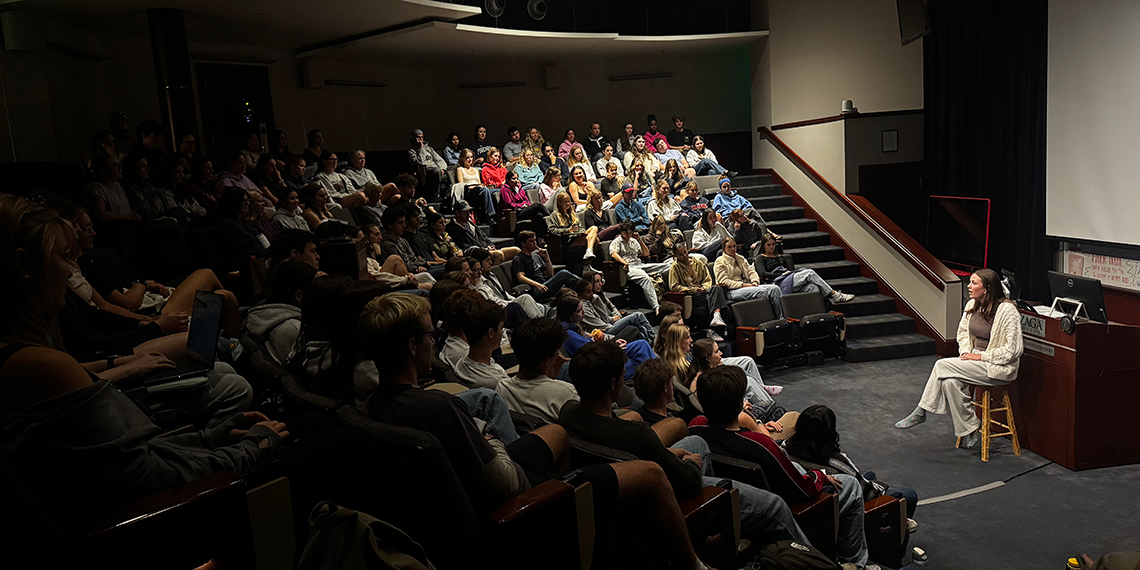
These days, Story Slam is less of a hidden gem. Each monthly event fills the Wolff Auditorium with students, faculty, and staff, and being a Story Slam storyteller is a popular bucket list item. Advertising efforts have been so successful that the event might have to shift venues to accommodate demand.
Student coordinators, past and present, have also strengthened this community. Recent coordinators read The Moth’s How to Tell a Story, passing down coaching skills, advice, and techniques to their successors and storytellers alike. In other words, students are leading students.
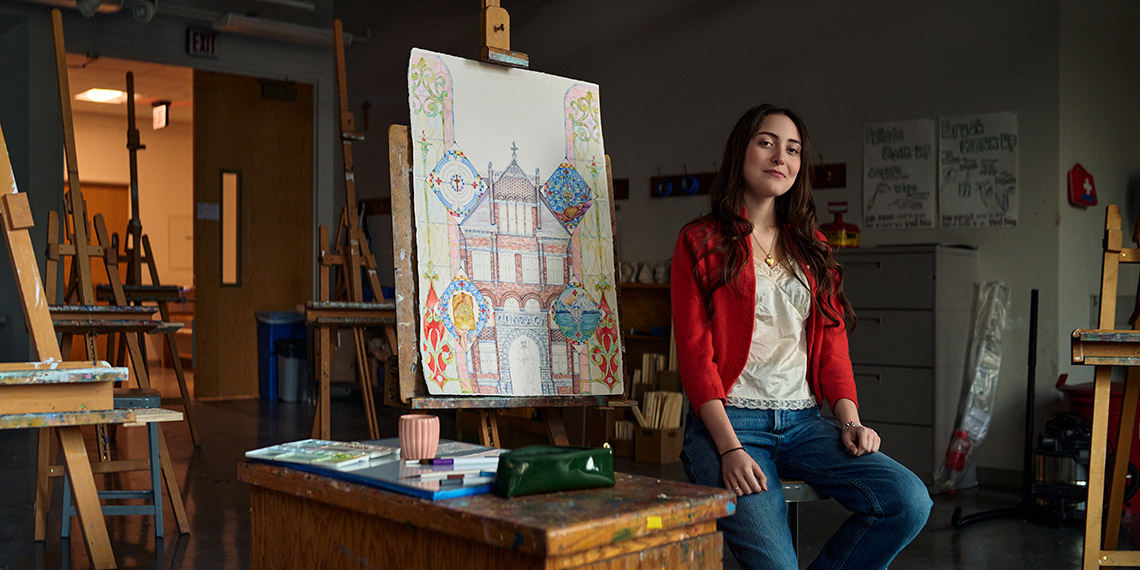
Senior Coordinator Georgia LaPlante (’26), Junior Coordinator Piper Krill (’27), and Sophomore Coordinator Charlie Mangan (’28) all began as intrigued audience members — the very people they now serve.
“Once we've got our storytellers set, we will reach out to each of them individually and workshop their story one-on-one,” LaPlante says.
“We meet them where they're at from inception to the rehearsal, which is a week before the Slam.”
While storytellers come from all walks of life, coordinators work to develop confidence and authenticity in every individual. Story Slams have evolved into a note-free environment to remove any barriers between a storyteller and the audience.
This emphasis on human connection is what makes Story Slam increasingly relevant. In a moment saturated with technology and artificial intelligence, what is most personal is also what is most universal. Against this backdrop, Story Slams will continue to showcase “vulnerable, raw, and uniquely human moments.”
The Spring 2026 Story Slams are scheduled for February 9, March 2, and April 13 at 8 p.m. in the Wolff Auditorium. Stories stay; lessons leave.
“I think people walk away from this experience feeling empowered and connected,” Armstrong says. “To hear someone’s story means to really see them, and to recognize a part of yourself in their journey.”
- Academics
- Arts & Culture
- Student Life
- School of Leadership Studies