
Event Details
Date & Time
Monday, Nov 16, 2026 6:00 PM - 7:30 PM
Department
Institute for Climate, Water, and the Environment
Cost
Free and open to the public
About This Event
For Our Common Home Lecture Series
As climate change drives more extreme heat, drought, flooding, wildfires, and other disasters, frontline communities, especially those already living without running water or functioning plumbing, face the greatest risks. More than two million people in the United States currently live in the water access gap (i.e. without safe water or sanitation in their homes), and millions more are vulnerable to climate-driven water quality degradation, water supply disruptions, and disasters that can quickly wipe out their access to water and wastewater services. This presentation examines how communities, cities, and utilities are working to adapt and build climate-resilient water and sanitation services. It explores key questions: How can communities strengthen their built and natural infrastructure, improve water management and planning, and advance laws and policies that support long-term resilience? What types of funding, technology, and information are available—and accessible—to support these efforts? Drawing on findings from Achieving Equitable, Climate-Resilient Water and Sanitation for Frontline Communities by Pacific Institute, Center for Water Security and Cooperation, and DigDeep, the talk highlights major barriers that hinder equitable climate resilience in the United States, including historic underinvestment, affordability challenges, inadequate data, and gaps in capacity and governance. It also showcases real-world strategies from across the country that center community voices, address historical inequities, enhance climate readiness, and expand access to safe, reliable, climate-resilient water and sanitation.
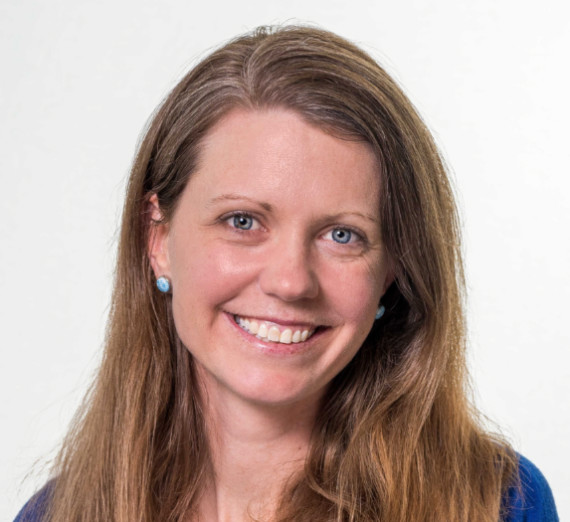
About the speaker:
Morgan Shimabuku is a Senior Research Specialist at the Pacific Institute. She conducts research on solutions to water equity and access challenges, benefits and tradeoffs of water management strategies, water resilience, and more. She holds a bachelor’s degree in Environmental Studies and Geology from Whitman College and a Master’s in Geography from the University of Colorado-Boulder. She lives, works, and plays with her family in Spokane.