
The Importance of Empathetic Leadership: Lessons from Gonzaga's Ph.D. in Leadership Studies
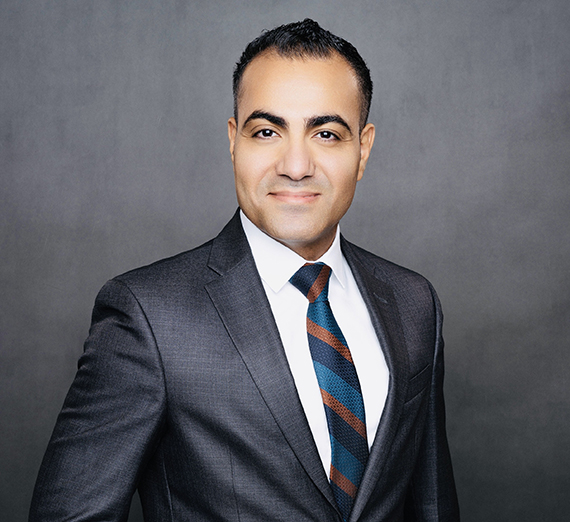
For Dr. Mohamed Rashed, a Senior Vice President in the banking industry, leadership isn’t just about managing assets, it’s about investing in people. Seeking to deepen his professional impact, Dr. Rashed decided to pursue his Ph.D. in Leadership Studies at Gonzaga University. Here, he shares how the program fit into his busy schedule and helped him build his leadership philosophy.
Why did you decide to continue your education and earn a Ph.D.?
Pursuing a Ph.D. was both a personal and professional goal. Professionally, I wanted to deepen my understanding of leadership beyond my experience in the workplace and become a more intentional leader. Personally, earning a doctorate represented something much bigger. I wanted to make the people who have supported and believed in me throughout my life proud of what I could accomplish through education. I also wanted to set an example for my children by showing them the value of lifelong learning and that meaningful goals are worth pursuing, even when they require sacrifice and commitment. I often thought, if I have the opportunity to earn the highest academic degree possible, why not embrace that challenge? Looking back, it was one of the most rewarding decisions I've made.
Why did you choose Gonzaga and the Ph.D. in Leadership Studies (DPLS)?
Several factors drew me to Gonzaga. The program's outstanding reputation, its emphasis on ethical and transformational leadership, and its flexible schedule made it an ideal fit for someone balancing a demanding career and family life. What truly set the DPLS program apart was the diversity of the cohort. I had the opportunity to learn alongside professionals from healthcare, education, business, military service, nonprofit organizations, government, and many other industries. Those diverse perspectives challenged my thinking, broadened my understanding of leadership, and created conversations that extended well beyond the classroom.
How did the flexibility of the program allow you to balance school with your other priorities?
The flexibility of the program made earning my doctorate possible. Most classes were held during evenings and weekends, allowing me to continue my success and growth in my banking career while maintaining my family commitments. Equally important was the understanding and grace demonstrated by the faculty. They recognized that many of us were balancing demanding careers, family responsibilities, and doctoral studies simultaneously. Their support created an environment where we could succeed without sacrificing excellence.
What was it like coming to campus for immersions?
The immersion experiences were truly one of a kind. I would describe them as rich, intense, conversational, relational, and incredibly rewarding. They created a genuine sense of community and became much more than classroom experiences. The immersions fostered meaningful discussions, lifelong friendships, and a support system that carried us through the program. Some of the most valuable lessons came from the conversations outside of class, where professionals from different industries openly shared their leadership experiences and challenged one another to grow.
What was your dissertation?
My dissertation explored empathy and compassion in the corporate workplace through the lens of transformational leadership. Specifically, I examined how compassion, empathy, care, and genuine concern for others serve as foundational characteristics of transformational leaders and influence organizational culture and workplace dynamics. Through my research, I came to appreciate these virtues not only as qualities of effective leadership but as essential elements that elevate both personal and professional leadership. The work reinforced my belief that organizations thrive when leaders intentionally build cultures centered on trust, care, and meaningful relationships.
How was the dissertation process?
The dissertation process was challenging, but it was also one of the most rewarding experiences of my academic journey. It required discipline, persistence, and the ability to think critically about complex leadership issues. Now, as someone who leads multiple teams across diverse markets, my role requires understanding different personalities, adapting to different communities, and recognizing that leadership isn't one-size-fits-all. The research process, combined with learning alongside professionals from many different backgrounds, fundamentally shaped how I approach leadership today. It strengthened my ability to listen, understand different perspectives, and intentionally adapt my leadership approach to meet the needs of the people I serve.
What skills did you gain from the DPLS program and how are you using them in your career and life?
The program strengthened my ability to think strategically, conduct meaningful research, communicate effectively, and lead with greater intentionality. More importantly, it helped me develop a leadership philosophy grounded in empathy, compassion, and continuous learning. Today, I lead retail banking teams across Eastern Washington and Northern Idaho with responsibility for retail production, customer experience, and developing future leaders. Every day I draw upon the lessons I learned in the DPLS program as I coach leaders, build strong organizational cultures, navigate change, and support the growth of my teams.
What has been your return on investment?
The return on investment has been significant, both professionally and personally. From a career standpoint, earning a Ph.D. at the age of 38 certainly attracted attention on my résumé and opened doors professionally. However, the greatest return wasn't simply the degree itself, it was the person I became throughout the journey. The program accelerated my growth as a leader, challenged how I think, strengthened my confidence as a young senior leader, and continues to influence how I lead people and organizations every day.
How was your experience with the faculty?
The faculty were one of the greatest strengths of the DPLS program. They challenged us intellectually while genuinely investing in our success. They created an environment that encouraged curiosity, respectful debate, and continuous learning. Throughout the program, they served not only as professors but also as mentors who cared deeply about our development as scholars and leaders.
I have a tremendous amount of appreciation and respect for every faculty member I had the opportunity to learn from, especially Dr. Francovich, Dr. Ferch, and Dr. Bradley. Each brought unique perspectives, challenged my thinking, and helped shape my understanding of leadership in meaningful ways.
I am especially grateful to Dr. Gambrell, who served as my academic mentor and dissertation chair. She believed in me from the beginning and continually challenged me to think more critically, write more thoughtfully, and push beyond what I thought I was capable of accomplishing. At the same time, she provided unwavering support and encouragement that inspired me to persevere through one of the most demanding academic experiences of my life. Dr. Gambrell’s mentorship extended beyond the dissertation, and I will always have tremendous respect and gratitude for the investment she made in my growth as both a scholar and a leader.
The faculty's commitment to developing leaders, not just graduates, is one of the defining qualities of the Gonzaga DPLS experience.
What would you say to anyone considering Gonzaga's DPLS program?
If you're looking for a degree simply to advance your résumé, there are many programs available. But if you're looking for an experience that will fundamentally change how you think about leadership, challenge you academically, and help you grow personally and professionally, I highly recommend Gonzaga's Doctoral Program in Leadership Studies. The relationships, the learning, and the personal growth I experienced continue to shape how I lead today, and I would make the same decision again without hesitation.