
Faith, History and Relationships with Tribal Communities
President Passerini visits Native Communities Tied to Gonzaga's Origin
This April, Gonzaga University President Katia Passerini traveled to Idaho and Montana to meet with tribal representatives whose histories are deeply connected to the Jesuits and to Gonzaga itself. The visit marked a meaningful step in the University’s ongoing efforts to build and sustain relationships with tribal nations whose lives and lands have intersected with Jesuit education and missionary work in the Northwest for nearly two centuries.
President Passerini was accompanied by Wendy Thompson, Gonzaga’s director of Tribal Relations, who has served as a steady presence in this work for more than 22 years. During that time, Thompson has helped guide Gonzaga’s approach to tribal engagement, emphasizing relationship building over transactional outcomes. Together, Passerini and Thompson framed the visit as an opportunity to listen, learn and honor commitments already made.
Those commitments, which date back to the founding of Gonzaga, were remembered by Passerini on the day of her inauguration when she met with representatives from several Northwest area tribes who had traveled to Spokane to attend the ceremony. Passerini spoke with leaders from the Coeur d’Alene, Colville, and Confederated Salish and Kootenai Tribes who invited her to visit their communities. The April visits were a beginning to fulfilling those invitations.
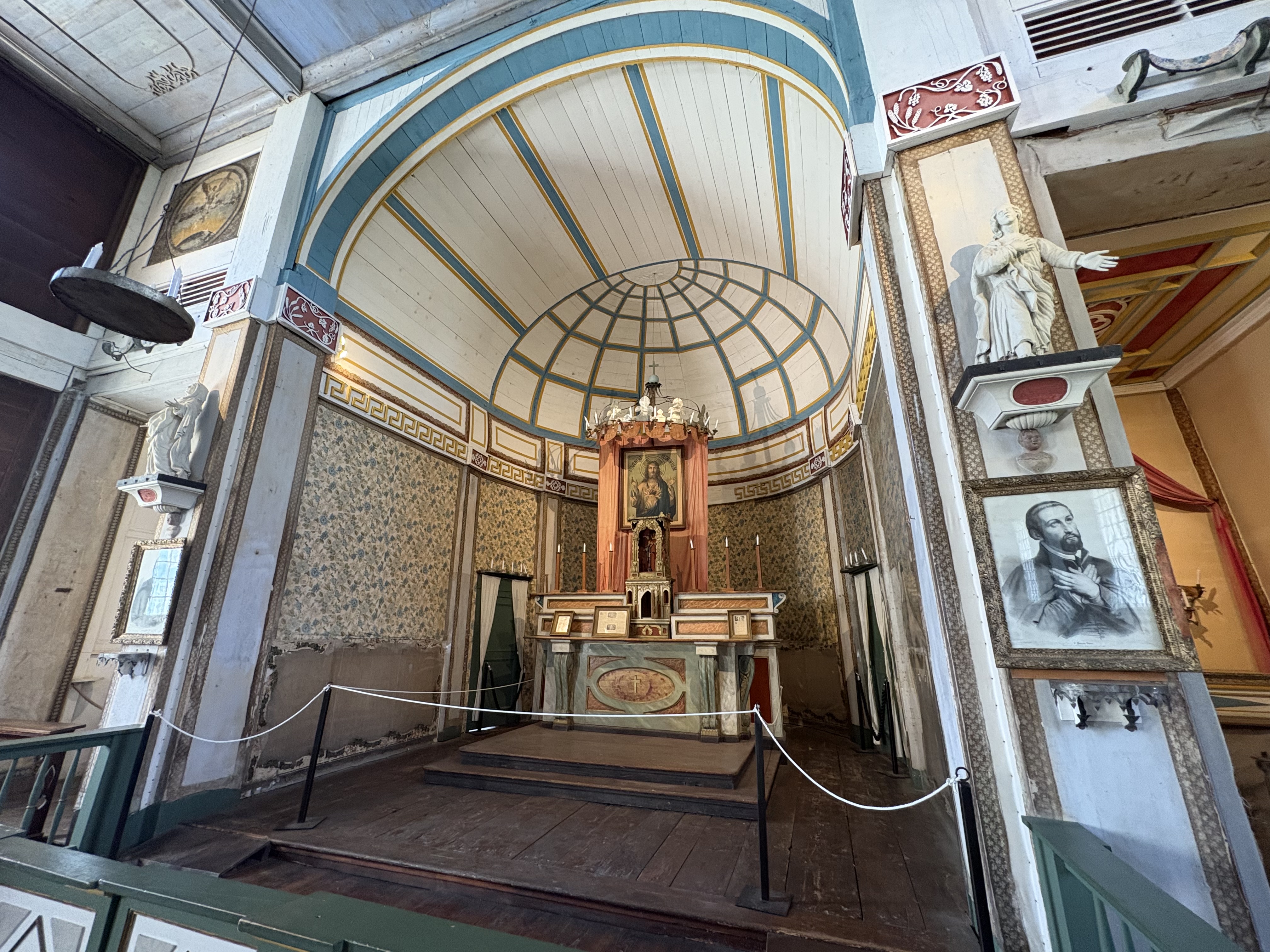
The trip included visits to two sites of enduring significance: the Old Mission at Cataldo in Idaho and the St. Ignatius Mission on the Flathead Reservation in Montana. Both locations are closely tied to the early Jesuit presence in the region, including the works of Father Pierre-Jean De Smet and Father Giuseppe (Joseph) Cataldo, whose interactions with Northwest tribes played a role in shaping the Jesuit educational mission that later gave rise to Gonzaga University.
Father Cataldo, recognized as the founder of Gonzaga, occupies a complex place in Gonzaga’s history. He traveled extensively, learned Indigenous languages and developed relationships with tribal communities during a period of intense upheaval for Native nations. For many, Cataldo is remembered both for this and for his participation in a broader colonial system that brought cultural disruption and loss. Engaging honestly with that complexity was a central purpose of the visit.
At St. Ignatius Mission, President Passerini toured the historic church and surrounding buildings with tribal leaders, Jesuit priests and community representatives. She learned about the mission’s origins and its role in the development of the Flathead Reservation as well as about the contemporary life of the Confederated Salish and Kootenai Tribes. The visit also included time at tribal administration facilities and memorial sites that reflect the tribe’s sovereignty, history and present-day priorities.
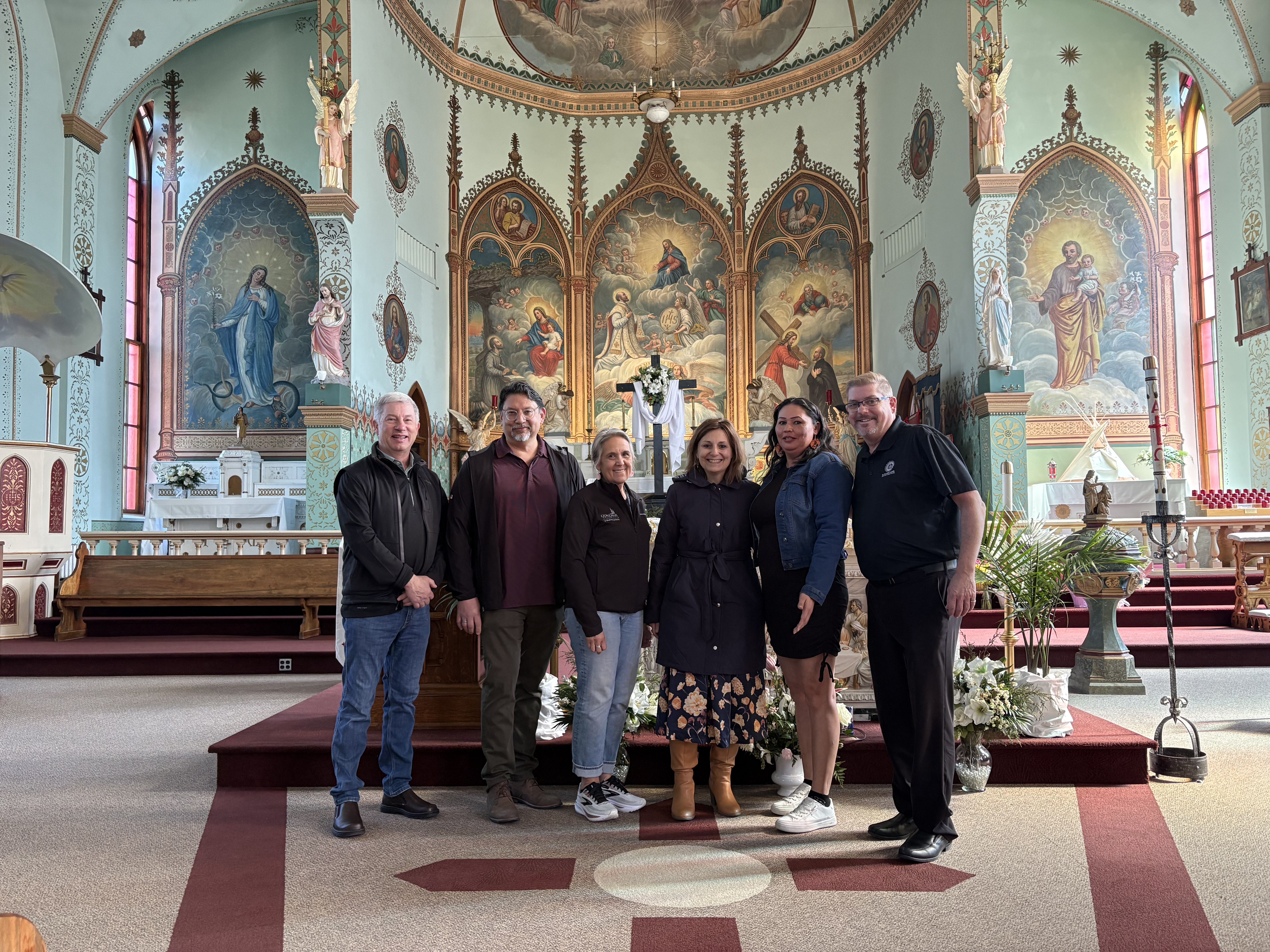
From left: Larry Simkins, Vice Chair, GU Board of Trustees; Robert McDonald, Communications Director, Confederated Salish and Kootenai Tribes; Wendy Thompson, Director of Tribal Relations, GU; Katia Passerini, President, GU; Danielle Matt, Councilwoman, Confederated Salish and Kootenai Tribes; Fr. Craig Hightower, S.J.
“Throughout the visit, Passerini approached conversations with attentiveness and humility. She asked questions, listened carefully and acknowledged the weight of history that continues to shape relationships between tribes and Jesuit institutions,” said Thompson.
The visit was not focused on formal agreements or announcements. Instead, it centered on understanding how nearly 200 years of Jesuit engagement still informs trust, memory and expectations today.
For Thompson, an enrolled member of the Confederated Salish and Kootenai Tribes, this visit was an important step in understanding Gonzaga’s complicated legacy. “For Gonzaga, these conversations are inseparable from its mission as a Jesuit university. Jesuit involvement in the Northwest has included education and cultural exchange but also deep harm, including the legacy of Indian boarding schools and clergy sexual abuse that disproportionately impacted Native communities. Many Native people carry this history not as distant memory but as lived experience that continues to shape community life.”
Thompson emphasized that engagement must begin with reflection and accountability. “As partners and allies, we must learn our history and how it informs our present.”
President Passerini echoed that sentiment, grounding the visit in respect and relationship. “I am honored to meet with these tribal leaders and communities,” she said. “It is important that we continue this relationship through listening, dignity and understanding.”
As an educational institution, Gonzaga’s role lies in learning, teaching and partnership. Conversations during the visit pointed toward future collaboration rooted in education, student support and mutual understanding rather than one-time engagement. Building those relationships requires patience and presence over time.
Nearly two centuries after Jesuit missionaries first arrived in the Northwest, the relationships they initiated remain. They are shaped by faith and learning, by harm and resilience and by the ongoing work of truth telling. April’s visit marked the continuation of a promise made and the enduring importance of listening as the foundation for trust.