
Catalyst Camp Builds Confidence, Community for Spokane Youth
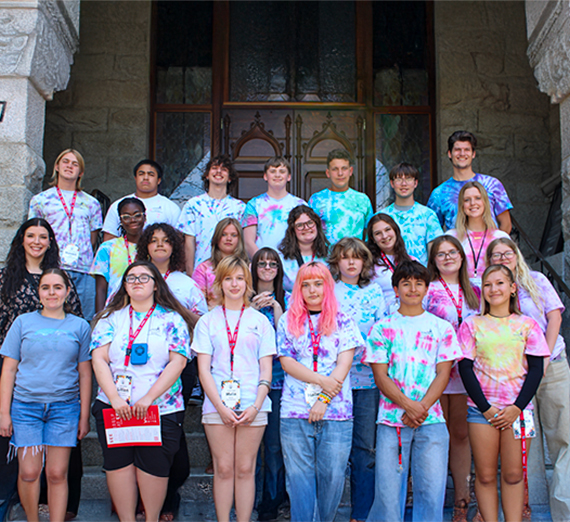
Catalyst is an annual five-day summer program designed for rising 9th–12th graders from Northeast Spokane, with a focus on youth from underrepresented groups. Participants live on campus, gaining exposure to college life while exploring their identities and imagining their futures. This year, Catalyst welcomed approximately 18 to 21 youth and five counselors, creating a supportive environment where students could grow academically, socially and personally.
This summer also marked the launch of a new initiative by Gonzaga’s Center for Community Engagement: the Catalyst Camp Counselor student position. Five Gonzaga students were invited to live on campus for two weeks — one week of intensive training followed by a week of Catalyst itself. The goal was to prepare counselors not only to guide youth through camp activities but also to foster a culture of equity, belonging and leadership.
The training week began with a welcome lunch and orientation focused on community building and expectation setting. Counselors then joined faculty and staff for dinner, building early connections and getting to know the team. Over the following days, sessions covered trauma-informed youth engagement, identity, equity and belonging — with presentations from both the Lincoln LGBTQ+ Center and PCLD. Counselors reflected on their motivations for applying and what they hoped to bring to the role.
“We spent time going over the scenarios we might face and how to respond,” said Haley Cruz, one of the counselors. “That preparation gave me confidence that I could support youth in any situation.” Training also included icebreakers, team-building exercises and meetings with Catalyst alumni. Four returning students stepped into leadership roles as peer leaders, offering input on activities and sharing what had made past camps meaningful. Counselors decorated dorms, planned programming and collaborated with these returners to ensure youth voices shaped the experience.
The peer leaders also played a visible role during camp itself. They acted as natural leaders, inviting peers into activities, supporting them during events and encouraging inclusion. In a panel discussion, they answered questions about how to interact with new people and overcome nerves. They shared how Catalyst had helped them build friendships and community, explaining that stepping outside their comfort zones made camp more rewarding. Their openness set the tone for newcomers, showing that participation and vulnerability could lead to lasting connections.
Counselors likewise hosted a panel, giving youth the chance to ask questions about college and adulthood. Students wanted to know about finances, lifestyle changes and how to navigate challenges when leaving home. Counselors offered advice on setting themselves up for success, building confidence and learning from mistakes. “We wanted them to see that college isn’t about perfection,” the counselors explained. “It’s about growth, resilience and believing in yourself.” The panel gave campers practical insights while reinforcing the supportive environment Catalyst strives to create.