
Making Her Way
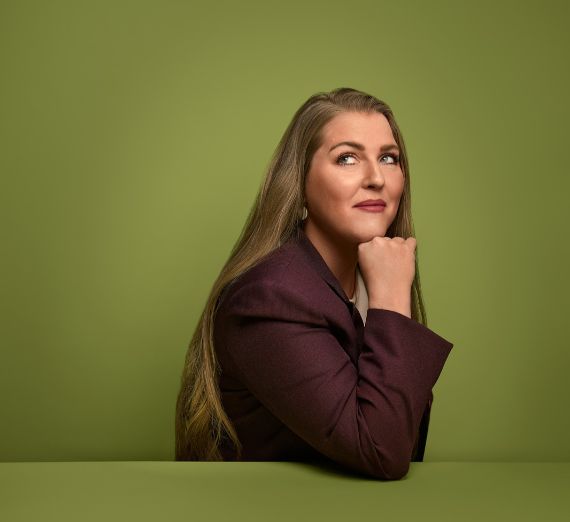
Monika Eckhart (’26 J.D.) was first admitted to Gonzaga Law during the COVID-19 pandemic, but she couldn’t attend. She was pregnant with her second child, trying to leave an abusive relationship, and feeling isolated and far from her family. When her son was born by an emergency C-section, he had medical complications that kept him in the NICU. Law school would have to wait until her son was safe.
Once he was healthy, she was able to start working toward the future she’d imagined for herself. She reapplied to Gonzaga in 2023, the last year her LSAT score was valid. And this time, she was ready.
By the time she enrolled, Eckhart had already lived several lives. She’d been the youngest person ever to serve on Clarkston, Washington’s city council, had held positions at FedEx, and had participated in community organizing and advocacy work. But the years between her first acceptance and her enrollment were difficult.
“I don’t entirely know how I got through it,” she says. “It feels like PTSD when I look back.”
What got her through was community. Eckhart found indispensable support through Head Start, the federal early childhood program where her son was enrolled. She became president of the organization’s policy council and watched as families who had battled addiction, poverty, and crisis were able to get their lives back on track because their kids had a safe place to be while they figured things out. They got cars, houses, stable jobs – things that would’ve been impossible without childcare.
When she arrived at Gonzaga, Eckhart was a single mother with full custody of two young children. She couldn’t leave her experience up to chance, so she built her support system deliberately. She leaned on close friends, her coworkers at Chastek Library in the Law School, and her professors, who understood her need to balance childcare with her academic responsibilities.
“If Gonzaga wasn’t here,” she says, “I likely wouldn’t have been able to go to law school at all. I took on the challenge of law school with small children because I saw it as necessary to ensure their childhood was stable, to give them an advantage that I never had.”
After graduation, Eckhart wants to pursue public defense work because she’s seen what happens to families caught in cycles of incarceration and poverty. Her long-term ambitions, like working in death penalty appeals or maybe taking another run at politics, follow the same thread. She’d like to use the law to help people in their most vulnerable moments, and, where possible, reform a system that’s stacked against them.
“I have seen the drastic effects of incarceration on people and their families,” she says. “Living through domestic violence, I experienced the effects of a cycle of abuse and poverty firsthand.”