
Gonzaga Community Explores AI Through Faith, Ethics, and Dialogue
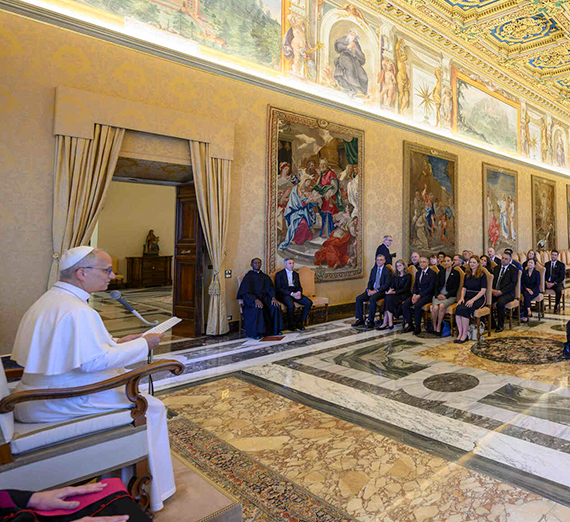
As artificial intelligence continues to transform higher education, industry, and everyday life, members of the Gonzaga community are gathering to explore a question that extends beyond technology: What is the meaning of humanity in the age of AI?
This fall, faculty, staff, and students are participating in reading groups focused on Pope Leo's encyclical Magnifica Humanitas, which examines artificial intelligence through the lenses of human dignity, ethics, faith, and the common good. The discussions are creating space for the Gonzaga community to engage thoughtfully with one of the most significant technological developments of our time. The first fall AI reading group session was organized through Foley Library and invited participants to discuss the encyclical and its implications for higher education and society.
The conversations reflect Gonzaga's commitment to cura personalis, educating the whole person, and preparing students not only for careers, but for lives of purpose and ethical discernment about the use of this powerful new technology.
"I think for many people, AI discussions often start with questions about technology. Which ones we use, what they can do, and their limitations," says Jeffrey Dennison, senior director of strategic communications, and a participant in the first reading group. "At Gonzaga, we're also asking questions about ethics, responsibility, and what it means to use technology in service of humanity rather than just what it can do."
Those questions resonate across disciplines and departments. Faculty and staff from a variety of backgrounds have found common ground in discussions about innovation, human flourishing, and the role universities play in helping students navigate complex societal changes.
The conversations also reflect Gonzaga's broader approach to technological innovation within an ethical lens. The University continues to invest in AI education, research, and applied learning opportunities while encouraging thoughtful dialogue about the opportunities and challenges these tools present.
Participants say one theme frequently emerges regardless of professional background: technology should serve people, not the other way around.
That perspective is echoed by Zags across campus who believe Gonzaga has an important role to play in helping students develop the critical thinking and ethical reasoning needed in a rapidly changing world.
The reading groups are not expected to provide definitive answers, but to create opportunities for questions, reflection, and conversation. In the Jesuit tradition of discernment, participants are encouraged to engage difficult questions, listen to different perspectives, and consider how faith and reason can inform responses to emerging technologies.
Additional opportunities to engage with Magnifica Humanitas are being offered throughout the academic year. The Office of Mission Engagement is hosting a monthly reading group, starting on October 13, led by Fr. Matt Yim, S.J., providing another venue for faculty and staff to explore the encyclical and its relevance to contemporary issues.
As artificial intelligence continues to evolve, Gonzaga's AI reading groups demonstrate that conversations about the future are not just about technology. They are also about humanity, ethics, and the values that guide how innovation is used in service to others.
For Gonzaga, that conversation is just beginning.