
Gonzaga Rejoins Lilly National Network of Churches Focused on Mission and Higher Education
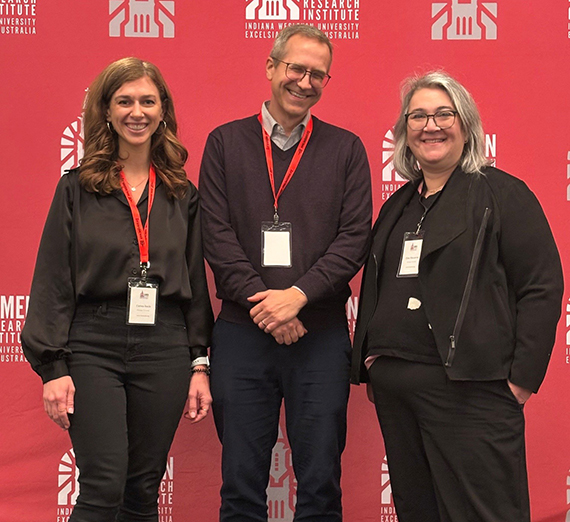
Gonzaga Rejoins Lilly National Network of Churches Focused on Mission and Higher Education
When representatives from Gonzaga University arrived at this fall's Lilly Network gathering, they joined colleagues from church-related colleges and universities across the country wrestling with many of the same questions: How do institutions stay true to their mission in a rapidly changing higher education environment? And how can they prepare students for lives of purpose while navigating new challenges facing colleges and universities?
After participating in the Lilly Network years ago, Gonzaga has re-engaged with the national consortium of church-related colleges and universities, opening new opportunities for collaboration, faculty development and mission-centered innovation.
"This is both part of our history and part of our future," said Ellen Maccarone, vice president for Mission Integration. "Re-engaging gives us opportunities to build relationships with institutions across the country that share a commitment to faith-inspired education, while remaining distinctive in their own traditions and missions of Catholic, Jesuit and humanistic faith."
The Lilly Network brings together faculty, administrators and institutional leaders from Christian and Catholic colleges to explore how mission shapes teaching, learning and campus life. This year's conference theme, "A Mission Held in Trust," prompted conversations about identity, leadership and the future of higher education.
One of the most striking discoveries for Maccarone came through those discussions. "Being in conversation with colleagues from different Christian traditions made me appreciate even more what is distinctive about a Catholic, Jesuit education," she said. "It challenged me to think about the aspects of Gonzaga's approach that are uniquely ours and why they continue to matter."
Those conversations resonated with fellow attendees from Gonzaga. Kevin Vander Schel, director of the Honors Program and associate professor of religious studies, found value in hearing how peer institutions are responding to many of the same pressures facing colleges and universities nationwide.
"It was striking to see the common tensions faced by different institutions," Vander Schel said. "The network offers an exceptional resource for discussing student-centered, mission-focused initiatives and exploring innovative practices with colleagues who share similar commitments."
The benefits of participation extend beyond conference discussions. Membership in the Lilly Network creates opportunities for faculty grants, professional development programs and collaborations with peer institutions. Those experiences can enhance teaching, support faculty formation and ultimately enrich the student experience.
For faculty members like Carissa Basile, assistant professor in the School of Education, the gathering provided a chance to reflect on Gonzaga's own practices while learning from others.
"We had meaningful conversations about how institutions uphold their missions, care for faculty, staff and students, and foster community," Basile said. "It was valuable to hear the different strategies colleges are using to stay grounded in their mission while continuing to grow."
Gonzaga's participation also demonstrated leadership. Maccarone volunteered to help facilitate a small-group discussion during the meeting and was encouraged by the collaborative spirit she encountered. "I was happy to see how many people stepped forward to help and how welcoming they were to someone new to the network," she said.

Yet leadership was evident in other ways as well. Gonzaga's representatives shared perspectives rooted in the University's Jesuit, Catholic and humanistic tradition while engaging thoughtfully with peers from across the country. They returned to Spokane with new ideas, fresh partnerships and a deeper understanding of how mission can shape institutional decision-making.
Perhaps most importantly, the conference sparked conversations that did not end when attendees returned home.
Maccarone has already shared insights from the gathering with colleagues across campus, extending the dialogue about mission and identity to new audiences. Those discussions, along with future collaborations, grants and faculty development opportunities, will help ensure Gonzaga's renewed involvement in the Lilly Network reaches far beyond a single conference.
The gathering began with a question about how institutions can hold their missions in trust for future generations. For Gonzaga, the answer may lie in exactly what happened there: learning from others, sharing its own distinctive voice and returning home with a renewed appreciation for the Mission it has been entrusted to advance.