
Faculty Working to Support Students’ Sense of Belonging
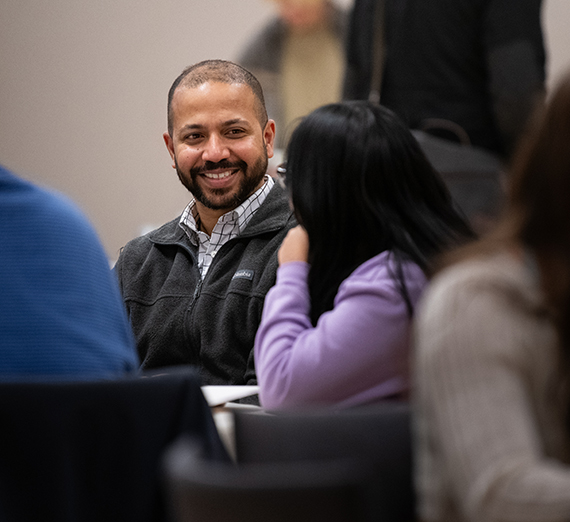
This fall, faculty are working hard to help students feel like they belong in the classroom. From day one, to the end of the class assessments, faculty are doing small things to signal that everyone belongs and feels seen, heard and connected as part of the Zag family.
For many students, belonging starts with your professor knowing your name and a little about you as a person. Maybe where you are from, your cultural background or identities, what’s important to you, and what lived experience you bring to the class. It grows when classmates listen to your ideas and respect your perspective. Then, you feel safe asking questions in class. In other words, you feel seen, accepted, and included in your classes.
When that happens, it’s not by accident, said Nichole Barta, Gonzaga University’s associate provost for faculty affairs. As the University continues its work begun by the Presidential Task Force on Accompaniment, Safety and Belonging, the effort to support students’ sense of belonging in classrooms underscores the important roles played by faculty and students.
Before classes started, faculty members participated in Faculty Operational Excellence Day. During a session called “Planning for Inclusive Learning Environments and Student Belonging,” participants drew on their teaching experiences to exchange ideas, discussing what they’d tried and what had worked well in the past.
Each faculty member then identified one strategy to use in a course this fall, along with what to listen and look for to understand whether the strategy was effective.
History Professor Andrew Goldman's strategy started on the first day. He asked students to submit fun photos of themselves for a PowerPoint presentation, giving class members a chance to share something about themselves and to meet one another. Since Day 1, he’s looked for signs that students are opening up and connecting with one another — talking together before class and responding to one another in positive, respectful ways, for example.
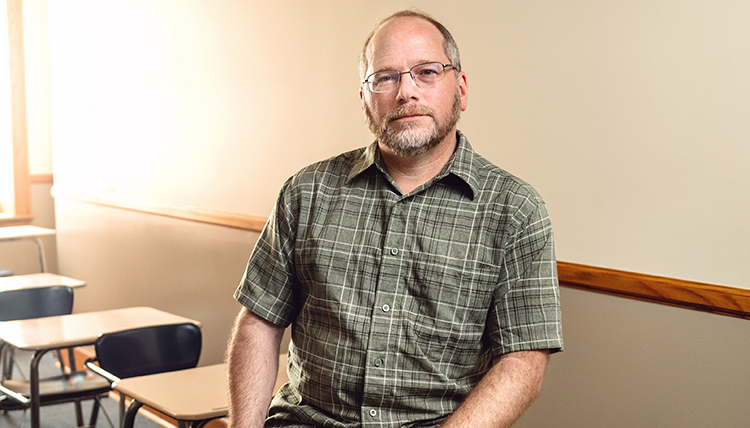 History Professor Andy Goldman is working to make sure students connect this fall.
Maria Kulp, an associate professor of philosophy, asked students to read letters from previous students welcoming them into the course, sharing their experiences and offering advice. As the semester continues, Kulp is asking students to think about whether and how the letters helped them. They're keeping notes about what to include in their own messages to the next group of students.
Starting this fall, students can share their perspectives about classroom belonging through Gonzaga’s end-of-course Structured Student Feedback. For the first time, the instrument includes a question specifically about students' sense of belonging in each class.
For Barta, listening to students is an important part of faculty members’ work. They can try different approaches and pay attention to what they observe. They also should ask students how they're experiencing the course and be willing to learn from what they hear. Student feedback can prompt faculty to examine their assumptions, reflect on their instructional choices, and consider how they can better support students’ learning and development.
“If you really don't feel like it's working,” Barta said, “help a faculty member know how it could be better.”