
ENVS Alum Hannah Gangwish Advances Food Sovereignty in Montana
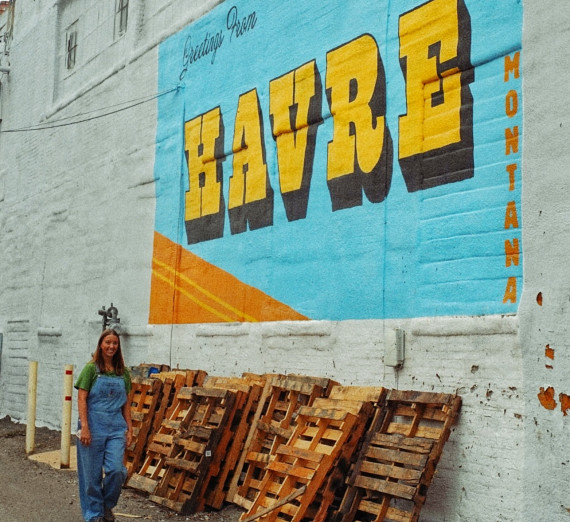
Reflecting on her transition from campus to community impact, Environmental Studies graduate Hannah Gangwish (’26) shares how her Gonzaga education provided both the clarity and confidence to advance food sovereignty in Montana.
Figuring out my next step after graduating wasn’t easy. Since joining the Environmental Studies (ENVS) program at Gonzaga University, I’ve developed a strong set of values centered on environmental protection and a desire to find work that makes a positive difference in the world.
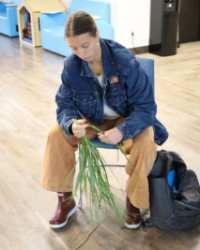
The Environmental Studies program was broad and covered a wide range of topics, skills, and perspectives. This gave me the chance to discover my passion for sustainable food production and consumption. I believe connecting people to their food creates far-reaching benefits—building ecological understanding, encouraging environmental stewardship, preserving culture and tradition, supporting mental and physical health, strengthening local economies, fostering joy through taste, and deepening community and place-based connections.
These values and interests led me to an AmeriCorps position as a local foods coordinator for a nonprofit organization in Havre, Montana. In this role, I work alongside Native communities to build food sovereignty programs that strengthen food security while also helping to foster cultural traditions.
"However, I soon realized my four years of study at Gonzaga had prepared me to identify my role in advancing community-led solutions."
The projects I’m involved in are focused on capacity building. While becoming integrated into the community, I noticed opportunities to strengthen engagement with food sovereignty initiatives. This seemed like a pressing concern, which led me to brainstorm ways to increase engagement while balancing immediate community needs with long-term sustainability. One idea is to develop an educational and entertaining podcast that makes food sovereignty knowledge, stories, and practical skills more accessible and actionable for community members. The goal is to inspire individual action, strengthen community connections, and build capacity for greater self-sufficiency, food sovereignty, and overall well-being.
When I began, I was nervous about whether I could offer meaningful support, especially as someone who isn’t Native and didn’t grow up in the region. However, I soon realized my four years of study at Gonzaga had prepared me to identify my role in advancing community-led solutions.
My experience at Gonzaga strengthened my critical thinking abilities—something I’m deeply grateful for in my position as a local foods coordinator. Although I know achieving food sovereignty extends far beyond my year of service, I’m confident in my ability to ask the right questions and help pave the way for progress.