
Who Benefits If We Give Up? Communication and Climate Justice: A First for COMM 480
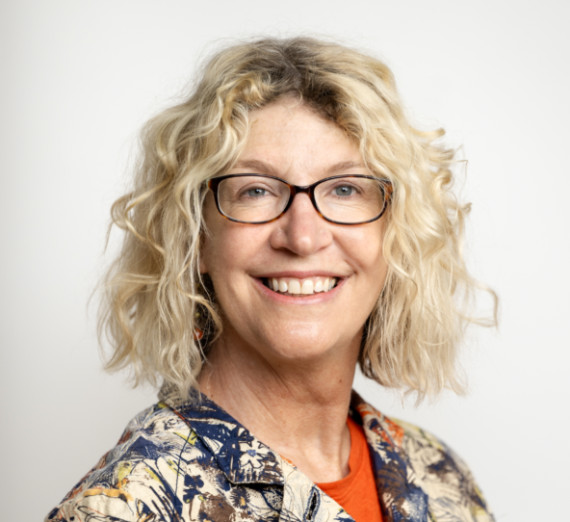
This semester, Fall 2026, Dr. Heather Crandall is teaching Communication Studies 480: Communication and Environmental Justice for the very first time.
Why Communication?
"This is where Comm shines."
The climate crisis can feel overwhelming, scary, and emotional. But Dr. Crandall’s research has led her to an encouraging conclusion: we already have the solutions, along with a framework for equity and justice for all species. The answers may be complex and challenging, but we know them. The harder question is how to get those solutions heard, understood, and acted on. That is a communication challenge shaped by the messages we hear, the audiences they reach, and the media, culture, and power behind them. “This is where Comm shines,” she says.
Meet Dr. Crandall
Dr. Crandall holds an interdisciplinary PhD from WSU spanning media studies, rhetoric, and American studies. Her scholarship on climate girl activists, along with her work on Gen Z and counterpublics, showed her how many voices still aren’t being heard. Her co-authored book, Fridays, Flint, and Fire: The Climate Girl Effect (written with Gonzaga professor Dr. Carolyn Cunningham), explores girls’ techno-ecofeminist activism in the climate justice movement. The course Dr. Crandall teaches this semester grew out of her wish to expand the conversation about those voices.
Choosing the Hard Problems
Should we only chase simple problems? Dr. Crandall doesn’t think so. Students are meant to ask who benefits if we give up, then they focus on what is already working and how to spread it. At the heart of “Communication and Climate Justice” is the idea of honoring cycles that create life. The class welcomes everyone, whether or not environmental justice is already your focus, because systems, stories, and change matter in every field.
What Students Take Away
Dr. Crandall hopes students leave knowing that getting involved is hopeful, and that they can spot the communication traps that keep us from seeing solutions. She says conversation and storytelling are how people build shared experience and raise consciousness.
Why Students Signed Up
For Adelie Robert, 2027, her curiosity started outdoors.
“I have always cared about the environment. I grew up in Colorado, so I’ve always been in it, whether that’s skiing, riding my bike, or just being outside. But I never really understood the reasons behind it. I wanted to learn the facts of why I should care about what I care about. I’ve always loved the woods and the mountains, and I wanted to know the why.”
Adelie’s question is the kind the class is built around: understanding the systems and stories behind what we care about, then deciding what to do with that knowledge.
Looking ahead, Dr. Crandall plans to build on her research and teaching of Environmental Communication to develop a Magis Seminar for first-year students in fall 2027.
at Gonzaga University