
Block Party Set to Connect Black Students with Community
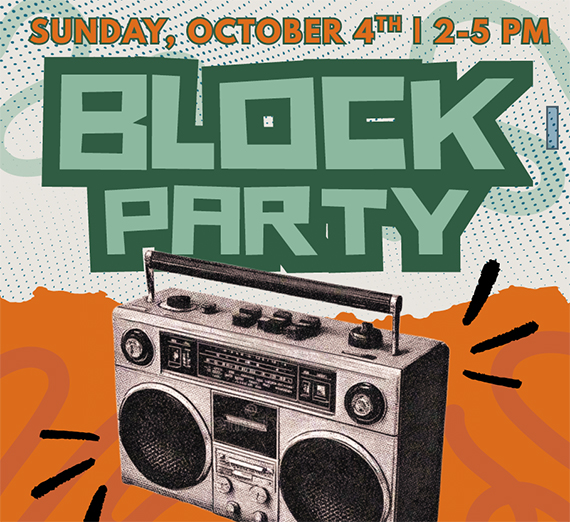
The idea behind Black Student Block Party is simple: Provide Black students at Gonzaga and other colleges and universities — particularly students new to Spokane — a way to connect and find resources.
Gonzaga Black Student Union leaders are inviting Black students to the event to take in some music, art and food, and to learn about Black-centered organizations and resources. It will take place from 2 to 5 p.m. Oct. 4 at the Martin Luther King Jr. Community Center, 500 S. Stone St. in Spokane. The first 250 students will get food-truck vouchers.
“The vibe is supposed to be kind of chill, like a way to build community, network, know your community resources, your school resources, meet each other from other schools,” said Joan Iva Fawcett, one of the administrators helping to organize the event. Fawcett is Gonzaga’s dean for social justice leadership and community empowerment.
Students from Gonzaga, Whitworth and Eastern Washington universities, Spokane Community Colleges and WSU Spokane are invited. Students’ families, including those in town for Gonzaga’s Fall Family Weekend, are welcome, too. Speakers at the event will include students, University and NAACP representatives, and Spokane City Council President Betsy Wilkerson.
On any one of the college and university campuses, Barnes said, there may be times when Black students feel alone.
Student organizers wanted to bring the students together “to learn from each other, to show that you're not alone, that we have the support, even if it is miles away on a different campus,” he said. “We’re there for each other and we understand each other.”
The event is being organized by BSU, Spokane’s NAACP chapter and community organization EEG (Educate, Entertain, and Get Stuff Done), along with Gonzaga administrators.
Incidents last February, when some attendees used racist language against Black students celebrating the Harlem Renaissance, helped propel the event.
Community members from Spokane-area organizations, including the NAACP chapter, came to campus to support students after the incidents. And the incidents spurred conversations about Black students’ needs that extended beyond more than an “emergency response,” Fawcett said.
“This work isn't just fixing,” Fawcett said. “It's also building and rebuilding trust and community.”
Attendees also can meet Black Spokane residents beyond the Gonzaga community. Students new to Spokane might not see many other Black people or know where to find what they need, whether it’s a barbershop or hair products, a restaurant or food that’s familiar, or a church, Fawcett said.
By meeting Black residents and learning about Black-centered spaces in Spokane, students “can see that they are represented,” Fawcett said. “I think that speaks volumes to people’s sense of belonging.”
Barnes, who also is director of diversity, equity and inclusion for the Gonzaga Student Body Association, said he hopes the event contributes to Black students’ sense of safety.
“There’s no way that we could prevent all forms of hate or violence, but it lets them know that there’s a support system that you may be away from home, away from your family, but there is family here,” he said. “There are people who will look out for you.”