
Event Details
Date & Time
Monday, Oct 12, 2026 7:00 PM - 8:30 PM
Department
Faith and Reason Institute
Cost
Free
Location
Wolff Auditorium (Jepson 114)
Contact/Registration
faithandreason@gonzaga.edu
509.313.6743
Event Type & Tags
About This Event
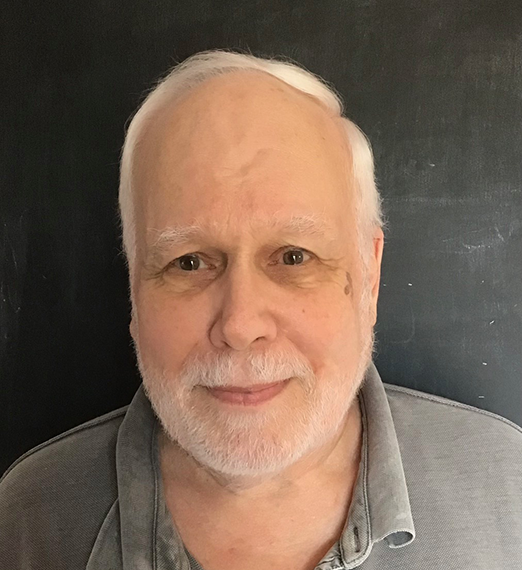
Richard McClelland (retired Professor of Philosophy, Gonzaga University)
Analyzing the changing role of heroes in recent film requires a clear definition of “heroism,” but I argue such a definition is hard to come by. Instead, I will focus on description of heroic actions, particularly the basis of such actions in human neurobiology, especially as it is shaped by human evolution. Since the grounds for heroic action are found in the “human alarm system,” which is common to all human individuals, heroic action can be expected to be activated in just about anyone in the right circumstances, a view sometimes called the “banality of heroism.” I argue that there are persuasive reasons for this view, and examine implications of it for the social dimensions of human action stretching to groups, institutions, and cultures. Finally, I address several ways that aspects of heroic action find expression in films: in a bias toward depictions of male heroism and the magical form of heroism found in superhero films. I end with discussion of two groups of films that focus on the banality of heroism in highly realistic ways: two films of Tom Hanks (Bridge of Spies, 2015; Sully, 2016); and two films about resistance to totalitarian regimes (The Lives of Others, 2006; A Hidden Life, 2019).